



Key Takeaways
- A multivitamin for women can help fill nutrient gaps when diet alone is not enough.
- Nutrient needs change across life stages, including reproductive years, pregnancy, and menopause.
- Choosing a high-quality, well-absorbed multivitamin is as important as the nutrient list itself.
Choosing a multivitamin for women can feel overwhelming. Shelves are packed with options that promise better health, energy, and wellness. But not all multivitamins are created equal, and your needs can change with age, lifestyle, and diet.
A multivitamin is designed to complement your diet by providing essential vitamins and minerals that may be missing from daily food intake. Understanding what nutrients matter most and how to evaluate supplement quality can help you make an informed choice that supports overall wellness.
In this guide, you will learn how to choose a multivitamin for women, what nutrients to look for, and how life stage, diet, and absorption affect supplement decisions.
Why Women Have Unique Nutrient Needs
Women have specific nutritional needs that differ from men due to hormonal changes, menstrual cycles, pregnancy, and aging. These factors can influence how much of certain vitamins and minerals your body needs.
For example, iron needs are often higher in premenopausal women due to monthly blood loss. Folate is important for women of reproductive age because it supports healthy fetal development. Vitamin D and calcium play important roles in maintaining bone health as women age.
Many women do not meet recommended intakes for nutrients such as calcium, magnesium, vitamin D, and potassium through diet alone. A multivitamin for women can help address these common gaps while supporting overall health and wellness.
Key Nutrients To Look for in a Multivitamin for Women
When choosing a multivitamin for women, it helps to focus on nutrients that support everyday wellness needs, such as bone health, energy, immune function, and healthy aging. Women may have unique nutrient requirements depending on life stage, diet, and lifestyle, so a comprehensive formula can help fill common gaps.
Vitamin D
Vitamin D plays a role in calcium absorption and helps maintain bone health, muscle function, and immune support. Many women don’t get enough vitamin D from sunlight or food alone, especially those who live in northern climates or spend limited time outdoors.
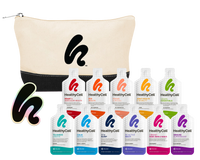
HealthyCell’s multivitamin formulas include vitamin D3 to help support bone health and overall wellness. For example, our Bioactive Multi contains vitamin D3 as part of a foundational nutrient blend.
Calcium
Calcium is essential for maintaining strong bones and teeth and supporting muscle function. Women often have higher calcium needs due to hormonal changes across the lifespan.
HealthyCell’s multivitamin blends focus on delivering foundational nutrients, but some formulas may not include calcium in high amounts, which is common in many multivitamins. In these cases, pairing a multivitamin with dietary calcium sources or a targeted supplement can help support bone health.
Magnesium
Magnesium supports muscle function, nerve signaling, and energy metabolism. It also works alongside calcium and vitamin D to help maintain bone health.
Iron
Iron supports healthy red blood cell production and oxygen transport throughout the body. Women of reproductive age may have higher iron needs due to menstruation.
Some HealthyCell multivitamin formulas include iron, like our Multi + Iron & Omega-3, while others are designed without it to suit different dietary needs. This allows you to choose a formula based on your individual iron intake from food and other supplements.
B Vitamins (Including B12 and Folate)
B vitamins support energy metabolism, cognitive function, and cellular health. Vitamin B12 and folate are particularly important for women who follow plant-based diets, as these nutrients can be harder to obtain from food alone.
Omega-3 Fatty Acids and Choline
Omega-3 fatty acids and choline support brain health and cellular function. These nutrients are often underconsumed in modern diets.
Zinc and Selenium
Zinc and selenium help support immune function and antioxidant defenses. These trace minerals also play roles in skin health and cellular integrity. Many multivitamin formulas include zinc and selenium to help support immune health and overall wellness.
Forms and Delivery Methods Matter
Not all multivitamins are absorbed the same way. Traditional pills and powders may not fully breakdown, limiting the amount of nutrients your body can actually use.
Delivery systems designed to enhance vitamin absorption can help improve nutrient bioavailability. This is important because the effectiveness of a multivitamin depends not just on what it contains but how well your body can absorb it.
For example, HealthyCell uses MicroGelTM technology to deliver nutrients in ultra soluble particles designed to improve absorption.
How To Read a Multivitamin Label
Understanding supplement labels can help you choose a high quality multivitamin for women.
Check the Nutrient List
Look for essential vitamins and minerals such as vitamin D, calcium, iron, folate, and B vitamins. Compare the amounts to recommended daily values and choose a product that aligns with your needs.
Look for Clean Formulations
Many supplements include fillers, artificial colors, or unnecessary additives. Choosing a formula with minimal inactive ingredients can support overall wellness.
Consider Bioavailability
Some nutrients are better absorbed in certain forms. For example, methylated B vitamins and chelated minerals may be easier for the body to use.
How Life Stage Influences Multivitamin Needs
Women in Their 20s and 30s
During reproductive years, nutrients such as iron, folate, and B vitamins are especially important. A balanced multivitamin can support overall wellness and help address dietary gaps.
Pregnancy and Postpartum
Pregnant and breastfeeding women have increased nutrient needs, including folate, iron, iodine, and choline. Prenatal vitamins are specifically formulated to meet these needs and should be taken under the guidance of a healthcare provider.
Women Over 40 and Menopause
After 40, bone health becomes a priority. Vitamin D, calcium, and magnesium can help support bone integrity. Hormonal changes may also affect nutrient absorption and metabolism, making high quality supplementation more important.
Multivitamin for Women and Diet
A multivitamin should complement, not replace, a balanced diet. Whole foods provide fiber, antioxidants, and phytonutrients that supplements cannot fully replicate.
However, busy lifestyles, dietary restrictions, and nutrient depleted foods can make it difficult to meet all nutrient needs through diet alone. In these cases, a multivitamin for women can help fill nutritional gaps.
Who Should Consider a Multivitamin for Women
A multivitamin may be helpful if you:
- Follow a restrictive diet, such as vegan or vegetarian
- Have limited sun exposure
- Are pregnant, breastfeeding, or planning pregnancy
- Are over 40 and focused on bone and heart health
- Have difficulty meeting nutrient needs through diet alone
Always consult a healthcare provider before starting any supplement, especially if you are pregnant, breastfeeding, or taking medications.
FAQs
What is the best multivitamin for women?
The best multivitamin for women depends on your age, diet, and health goals. Look for a formula with vitamin D, iron, folate, and B vitamins, and choose a delivery system designed for optimal absorption.
Should women take a multivitamin every day?
Daily multivitamin use can help fill nutrient gaps, but it should be paired with a balanced diet. Talk to a healthcare provider to determine what is right for you.
Do women over 40 need different vitamins?
Women over 40 often benefit from nutrients that support bone health, such as vitamin D, calcium, and magnesium. Hormonal changes can also affect nutrient needs and absorption.
Are gummy multivitamins as effective as capsules or gels?
Gummies can be convenient and enjoyable, but they may contain added sugars and lower nutrient levels. Delivery systems designed for absorption, such as gels, may provide more consistent nutrient intake.
Can a multivitamin help with energy?
Certain nutrients, such as B vitamins and iron, support energy metabolism. A multivitamin can help support energy levels if your diet lacks these nutrients.
Conclusion
Choosing the right multivitamin for women requires understanding your nutrient needs, life stage, and how supplements are absorbed. A high-quality multivitamin can help fill dietary gaps and support overall health and wellness when paired with a balanced diet and healthy lifestyle.
By focusing on essential nutrients, clean formulations, and effective delivery systems, you can select a multivitamin that aligns with your goals and supports your health at every stage of life.
Sources:
Nutrition for Women: Understanding Your Body’s Unique Needs | Weill Cornell Medicine
Multivitamin/Mineral Supplements | National Institutes of Health
How to Read a Supplement Label | Council for Responsible Nutrition
