

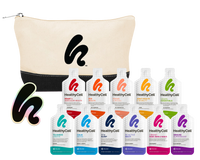


Key Takeaways
- Folic acid benefits include supporting DNA synthesis, red blood cell production, and healthy cell growth.
- Adequate folic acid intake is especially important before and during pregnancy to support fetal development.
- You can get folic acid through fortified foods, folate-rich foods, or supplements containing methylated folate, such as HealthyCell Bioactive Multi.
Folic acid is a vital nutrient that supports many functions in your body, from making DNA to producing healthy red blood cells. While it is often discussed in the context of pregnancy, folic acid plays an important role in overall wellness for people of all ages.
Understanding folic acid benefits can help you make informed decisions about your diet and supplements, especially if you want to support heart health, brain function, and healthy cell growth.
In this guide, we will explore what folic acid is, its key benefits, how much you need, and how to incorporate it into your daily routine.
Folic Acid vs. Folate: Understanding the Difference
Folate is the naturally occurring form of vitamin B9 found in foods, while folic acid is the synthetic form added to supplements and fortified products. Your body converts both forms into active folate for cellular processes.
Some supplements use methylated folate forms such as calcium L-5-methyltetrahydrofolate. These forms are already active and may be easier for some people to utilize. At HealthyCell, we use bioavailable forms of nutrients in our formulas to support absorption and usability.
What Is Folic Acid?
Folic acid is the synthetic form of vitamin B9. The naturally occurring form is called folate and is found in many foods, including leafy greens, beans, and citrus fruits.
Both folate and folic acid are essential for making DNA and RNA, supporting cell division, and maintaining healthy red blood cells. Because folic acid and methylated folate are more stable than folate, theyy are commonly used in supplements and fortified foods.
Vitamin B9 is water-soluble, meaning your body does not store large amounts. This makes regular intake important to maintain optimal levels.
Top Folic Acid Benefits
Supports Healthy Pregnancy and Fetal Development
One of the most well-known folic acid benefits is its role in pregnancy. Getting enough folic acid before and during early pregnancy helps support proper neural tube development. The neural tube forms the brain and spinal cord, and defects in this structure can lead to serious conditions such as spina bifida.
Public health organizations recommend that people who may become pregnant consume at least 400 micrograms of folic acid daily, as neural tube defects occur very early in pregnancy. Many prenatal vitamins and multivitamins include folic acid or methylated folate to help support these needs.
For example, HealthyCell’s Calm Mood contains folate to help busy individuals with an active mind searching for natural and effective supplement solutions to alleviate stress and tension in today’s fast-paced world.
Helps Produce Healthy Red Blood Cells
Folic acid plays a critical role in red blood cell production. When you do not get enough folate, your body may produce large, immature red blood cells that do not function properly. This can lead to megaloblastic anemia, which may cause fatigue, weakness, and shortness of breath.
Maintaining adequate folate levels supports oxygen transport throughout your body. Multivitamins that include folate, such as our Bioactive Multi, can help support red blood cell production as part of a balanced nutrient intake.
Supports DNA Synthesis and Cell Growth
Every cell in your body relies on folate to replicate DNA. This makes folic acid essential for growth, tissue repair, and cell division. During periods of rapid growth, such as pregnancy, infancy, and adolescence, folate needs are higher.
Folic acid also supports healthy tissue maintenance, which is important for skin, hair, and overall cellular health. Ensuring consistent intake through diet or supplementation can help support these processes.
May Support Heart Health
Folic acid helps regulate homocysteine levels in the blood. Elevated homocysteine is associated with cardiovascular risk, although research is ongoing. By supporting normal homocysteine metabolism, folic acid may contribute to heart and vascular health.
Many heart-focused nutritional protocols include B vitamins, including folate, to support overall cardiovascular function. A multivitamin with folate can be part of a heart-conscious wellness routine, especially when combined with a balanced diet and healthy lifestyle.
Supports Brain Function and Mood
Folate is involved in neurotransmitter synthesis, which plays a role in mood and cognitive function. Low folate levels have been associated with cognitive challenges and mood disorders, although more research is needed to determine the impact of supplementation on mental health outcomes.
Ensuring adequate folate intake may support brain health as part of a comprehensive nutrition plan. Multivitamins that include folate can help provide consistent daily intake to support neurological function.
Helps Prevent Folate Deficiency
Folate deficiency is less common in countries with fortified foods, but it can still occur in people with limited diets, malabsorption conditions, or increased nutrient needs. Symptoms of deficiency may include fatigue, irritability, and weakness.
Supplementation and fortified foods can help prevent deficiency, especially for people who do not consume enough folate rich foods.
How Much Folic Acid Do You Need?
The recommended daily intake for folic acid varies by life stage:
- Most adults: 400 micrograms
- Pregnant individuals: 600 micrograms
- Breastfeeding individuals: 500 micrograms
Because folate is water-soluble and not stored in large amounts, daily intake is important. Many people do not reach recommended levels through food alone, which is why multivitamins and fortified foods are common sources.
Natural Food Sources of Folate
You can get folate from many nutrient-dense foods, including:
- Leafy greens such as spinach, kale, and romaine lettuce
- Legumes, including lentils, chickpeas, and black beans
- Citrus fruits like oranges and grapefruits
- Avocados
- Asparagus and broccoli
- Fortified cereals and grains
A balanced diet with these foods can help support healthy folate intake. However, dietary patterns vary, and supplementation can help fill nutritional gaps.
How To Choose a Folic Acid Supplement
When selecting a folate supplement, consider the form, dosage, and overall nutrient profile. HealthyCell uses methylated folate (5-MTHF), the active form of folate that the body can use directly. Some people do better with methylated folate, especially those with common MTHFR gene variations, which can make it harder to efficiently convert standard folic acid into its active form.
Multivitamins like HealthyCell Bioactive Multi provide methylated folate along with other essential vitamins and minerals in an easy-to-take gel format. This type of supplement can help support overall nutrition, particularly for individuals with busy lifestyles or dietary gaps.
Potential Side Effects and Safety Considerations
Folic acid is generally safe when consumed at recommended levels. High doses may mask vitamin B12 deficiency, which can delay diagnosis and treatment. For this reason, it is important not to exceed the recommended intake unless directed by a healthcare provider.
If you are taking medications or have a medical condition, consult a healthcare professional before starting any supplement.
Who May Benefit From Folic Acid Supplements?
Certain groups may benefit from folic acid supplementation, including:
- People planning pregnancy or who are pregnant
- Individuals with limited diets
- Older adults
- People with digestive conditions that affect nutrient absorption
- Those with increased nutrient needs due to lifestyle or health factors
Multivitamins that include folate can help support these populations by providing consistent daily intake.
FAQs
What are the main folic acid benefits?
Folic acid benefits include supporting DNA synthesis, red blood cell production, cell growth, pregnancy health, heart health, and brain function.
Is folic acid only important during pregnancy?
No. While it is especially important during pregnancy, folic acid supports many essential processes in the body at all stages of life.
Can you get enough folic acid from food alone?
Some people can meet their needs through diet, but many rely on fortified foods or supplements to reach recommended intake levels.
Is folic acid the same as folate?
They are related but not identical. Folate is the natural formMethylated folate (5-MTHF) is the active form of folate that the body can use directly.
Who should take a folic acid supplement?
People planning pregnancy, those with limited diets, or individuals with increased nutrient needs may benefit. Always consult a healthcare provider for personalized guidance.
Conclusion
Folic acid is an essential nutrient that supports many critical functions in your body. From DNA synthesis and red blood cell production to pregnancy support and brain health, the benefits of folic acid extend far beyond a single life stage.
Whether you get folate from leafy greens, fortified foods, or a comprehensive supplement, ensuring adequate intake can support your overall wellness. Incorporating folic acid into your daily routine as part of a balanced diet and healthy lifestyle can help you meet your nutritional needs, support long-term health, and maintain optimal cellular function throughout every stage of life.
Sources:
Folic Acid Safety, Interactions, and Health Outcomes | Centers for Disease Control
Folate - Consumer | National Institutes of Health
Getting Enough Folic Acid (Folate) | Senior Health Services | Hartford HealthCare
